Tips
Best Time to See Northern Lights in Finnish Lapland
The first time you see the northern lights, you usually hear yourself...
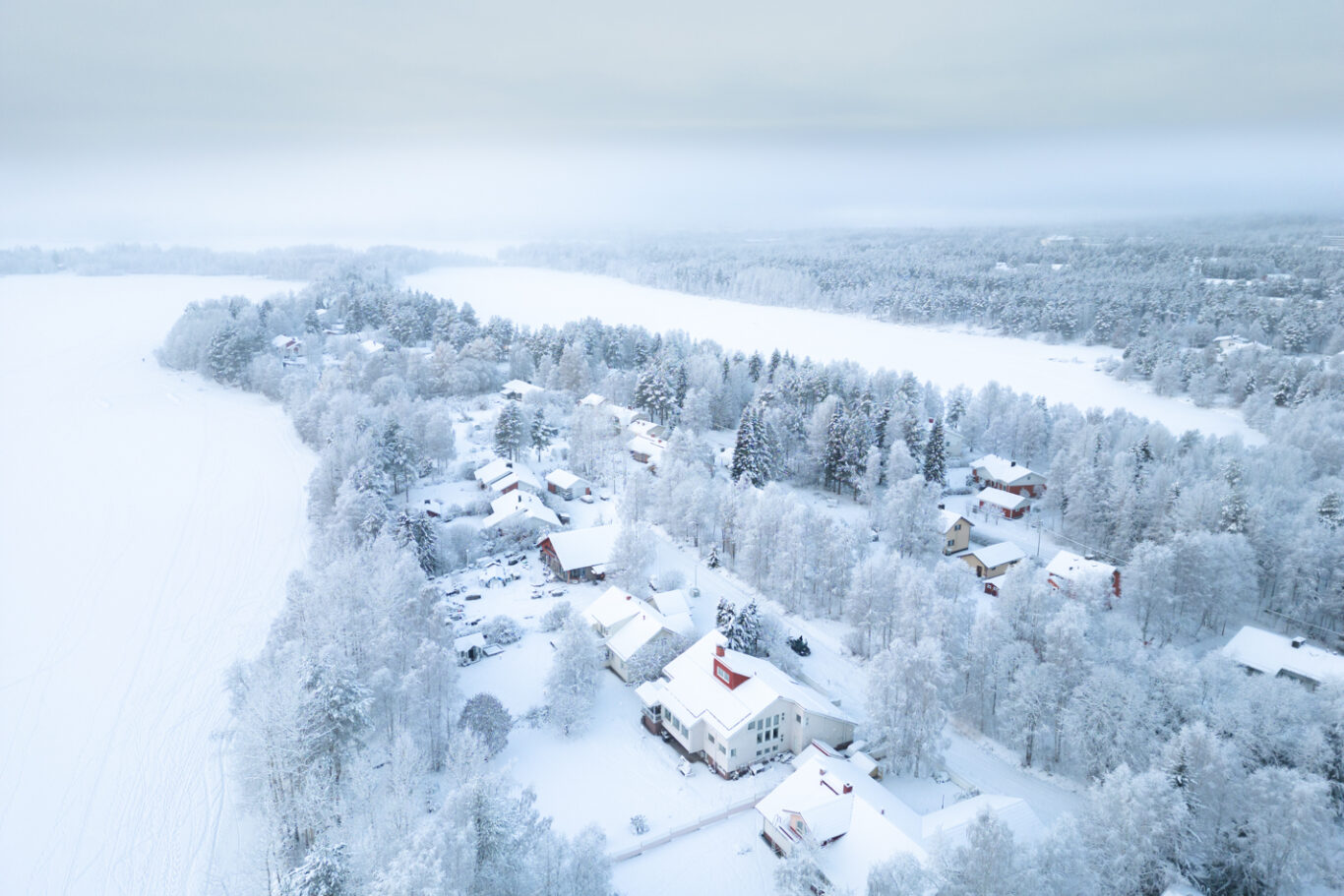
January holidays in Lapland feel different from any other winter trip. The Christmas crowds have gone home, the fells are buried under fresh snow, and a soft blue light returns to the sky a little longer each day. You step off the plane in Kittilä, drive 15 minutes to your cabin in Levi, and the silence hits you before the cold does.
For travellers who want deep winter without the holiday rush, this is the sweet spot of the season. Trails are quiet, accommodation is calmer than peak Christmas week, and the Arctic still shows its full personality: deep snow, dry cold, clear nights, and one of the strongest aurora windows of the year. Below is a practical guide to what January in Lapland is actually like, what to do, what to pack, and how to plan a week that feels effortless.
Christmas turns Levi into a busy international resort. February brings half-term ski crowds. The middle stretch — from roughly January 7 to the start of February — is the quietest, most photogenic window of deep winter. You get the same snow conditions, the same long auroral nights, and the same range of activities, but with shorter queues, easier last-minute bookings, and a noticeably more relaxed pace in restaurants and on the slopes.
January is also the month when Lapland visibly turns a corner. The polar night around Levi ends on or around January 2, when the sun rises briefly above the horizon for the first time since mid-December. From there, daylight grows fast — about seven minutes per day — so a trip in the second half of January feels meaningfully brighter than a trip in the first week. That returning light, combined with deep, settled snow, is what makes Lapland in January quietly spectacular.
If you are still weighing months, our seasonal guide to the best time to visit Lapland compares each part of the year side by side.
Levi sits at roughly 67.8°N, around 170 km north of the Arctic Circle. That latitude shapes everything about a January holiday.
Temperature. January is statistically the coldest month in Kittilä. Daytime highs typically run around −8 to −10 °C and overnight lows sit between −15 and −20 °C, with occasional cold snaps reaching −25 to −30 °C. The cold is dry and still, which makes it feel less harsh than wet winters further south, provided you are dressed properly.
Snow. Snow cover is reliable and deep. Western Lapland typically holds 60–90 cm of snow on the ground through January, and the nearby Kittilä station at Pokka has recorded snow depths approaching 90 cm in mid- to late January. Trails are firmly tracked, and the fells around Levi are fully white from valley to summit.
Daylight. This is the part most first-time visitors underestimate. Around January 5, the sun rises in Levi at roughly 11:45 and sets near 13:05 — barely 1 hour 20 minutes of direct daylight. By mid-January you have around three hours of sun, with sunrise about 10:55 and sunset close to 14:05. By the end of the month, daylight stretches to nearly six hours. Either side of the bright hours, you get long blue twilights that photographers love.
The practical takeaway: plan outdoor activities between roughly 10:00 and 15:00, then move to indoor or aurora-friendly plans after dark.
Conditions in January are ideal for almost every classic Lapland activity. A few suggestions, grouped by how active you want to be:
Levi Ski Resort at full strength. January is peak ski season. All 43 slopes and most of the lifts are normally running, snow base is deep, and queues are noticeably shorter than during the Christmas and February peaks. Cross-country tracks around Levi are groomed daily.
Snowmobile safaris. Open landscapes and reliable snow make January one of the best months for guided snowmobile tours, from short two-hour loops to full-day fell traverses.
Husky and reindeer experiences. A husky sled ride through frozen forest is the loud, exhilarating version of Lapland; a reindeer sleigh through a Sámi farm is the slow, traditional one. Both are at their best in January conditions.
Snowshoeing and winter hiking. Quiet trails and deep, settled snow make snowshoeing through the pine forest one of the most underrated January activities — especially in the soft midday light.
Aurora chasing. January is one of the strongest months of the year for the northern lights in Levi (more on that below).
Sauna and slow evenings. After a day outdoors, a wood-heated sauna followed by a quick step into the snow is the local recipe. Most Aavalevi cabins include a private sauna.
For the full menu of guided experiences, see our things to do in Lapland guide and our activities page.
January reliably sits in the prime northern-lights window for Lapland. You get long, dark nights — often 16 to 19 hours of darkness — combined with frequent clear, dry, cold weather, which is the combination aurora hunters look for.
On a clear night around Levi you have a strong chance of seeing the lights if you stay out for a couple of hours and look north. Most Aavalevi cabins are positioned away from the brightest village lights, so you can step onto your terrace, look north over the fells, and see them from your own door on a good night.
For more on timing and forecasting, see our dedicated guide to the best time to see northern lights and our broader northern lights holidays in Lapland overview.
Where to stay. Levi village offers a mix of hotels, apartments, and standalone cabins. For a January holiday, a serviced cabin or apartment usually wins on comfort and value: more space, a private sauna, a kitchen for slow mornings, and the ability to watch auroras without leaving the property. Aavalevi’s Lapland accommodation is heated, cleared of snow, and ready when you arrive — bed made, lights on, sauna pre-booked.
Dressing for January. The temperature range matters more than the headline number. A working layering system looks like this:
For guided activities like snowmobiling and husky safaris, operators usually provide a full thermal overall, boots, and gloves on top of your own clothing — so you only need to worry about base and mid-layers.
A relaxed, weather-flexible plan looks like this:
You can build the same week around any one of these activities by booking through our activities page.
A few patterns we see again and again from first-time January visitors:
Lapland in January is at the heart of deep winter: heavy, settled snow on the fells and forests, dry Arctic cold, very short days that grow noticeably longer through the month, and long dark nights that produce some of the strongest aurora viewing of the year. Resorts like Levi are at full ski capacity, but with quieter trails and shorter queues than during Christmas week or the February school holidays.
Daytime highs in Levi typically sit around −8 to −10 °C, with overnight lows of −15 to −20 °C and occasional cold snaps to −25 or below. Dry Arctic cold feels noticeably less harsh than damp winters further south, as long as you are layered properly.
Roughly three hours of direct sun in early January, around four hours mid-month, and close to seven hours by the end of January, plus long blue twilights either side. Daylight grows by about seven minutes a day.
Yes — January is one of the strongest months of the year for auroras over Levi. Long dark nights and frequent clear, cold skies create excellent viewing conditions on most nights when the geomagnetic activity is favourable.
Yes. January is the heart of the ski season at Levi, with the full slope network and lift system running. Conditions are typically at their best, and crowds are lighter than during Christmas week or the February school holidays.
Not necessarily. Levi village is compact and walkable, taxis are available, and most activity operators include hotel pick-up. A rental car is useful if you want to explore further into Lapland or chase clearer auroral skies away from village light.
January is quieter, slightly colder, and slightly darker; February brings more daylight, school-holiday crowds, and higher prices. If solitude and aurora odds matter most, choose January. Our guide to February holidays in Lapland covers the next month in detail.
January in Lapland gives you the deep, photogenic version of Arctic winter — heavy snow, clear cold nights, strong auroras — without the noise of high season. If you want a quiet, well-organised holiday with everything ready when you arrive, Aavalevi’s Lapland holidays in Levi are designed exactly for that.
Browse our cabins and apartments for January, or contact us and we will put together a custom itinerary, transfers and activities included.
For more seasonal context, you can also revisit our guides to Christmas holidays in Finnish Lapland for the prior month and February holidays in Lapland for the next.
For current weather, snow depth and aurora forecasts in the Levi area, the Finnish Meteorological Institute is the most reliable free source.